
10 Things that Every Good Event Venue Needs
When organizing an event, you have a handful of tasks on your plate. Choosing a venue is the one decision that will have the largest impact on your event and it doesn’t have to be hard. Take a look at our list and if most of the items listed in our article checks out, the venue is well suited for your event. The date of the event, catering options, and attendees’ pleasant experiences … all are partly affected by which venue you select.
Organizing an event is a bit intimidating. But you don’t have to feel that way. Here are some guidelines about when to make decision, what to consider, and how to do better.
When to Start Looking for a Venue
The earlier the better.
Book a venue at least 4-6 months in advance so that you will have enough time to plan other critical things, such as catering, event brochures, and staffing.

What to Consider When Searching for a Venue
1. Location
Location, location, locatoin is key. For a local event, you may be looking for a venue within a reasonable distance from most attendees’ homes or places of work. If many attendees will be traveling from out of town, a venue near the airport or their hotels will be beneficial. In whichever case, don’t forget to consider traffic, transportation, and parking option. Also, get an official contract with the venue to make sure everything is set in stone. Re-locating your event last minuite is one of the hardest things to do.

2. Parking
Does the venue have a parking lot or valet parking? A venue with a parking lot is essential. If the venue does not provide parking, are there parking lots nearby which attendees can access and use? If there is no parking available, you’re not completely out of luck as you have a few alternatives:
- You can reserve nearby parking lots for your attendees and either include the cost in the ticket prices, or have attendees pay when they park.
- Uber and Lyft offer rider discounts for bigger events. You can negotiate with them to set this up and distribute the promo code to your attendees.
- Provide a way for attendees to share a ride or a cab with each other. It would also be a good chance for them to interact with each other.
- You could offer valet parking for the event, even if the venue doesn’t. Providing a valet may be essential if the event is an upscale event such as a gala.

3. Capacity
- What’s the capacity? Capacity is how many people the room/ venue can old. You’ll need to know the room capacity of the venues for a few reasons. First, 500 people (if it is your estimated event size) can’t comfortably fit into a room with a 250-person capacity. And second, there are fire and safety codes that the venue has to abide by.
- How to make adjustment based on attendee feedback? It is important to be able to make an informed adjustment for a size of a room or food and bevereage right before or during your event. Holding an event page is a good way to gage how many people are going to come to your event if it’s free. Ticketed events are the most accurate way of estimating how many people will be coming. Make sure to only allocate door tickets if you attendence is not hitting it’s capacity.

4. Services and Amenities
- Does the venue have a kitchen and can it provide catering to your event? Having the option to give your guests for food and beverages is always a plus.
- Does it have tables, chairs and linens you can use? If a venue has these items, you can save a great deal of money and effort by using what they have, assuming it matches your theme and ambiance.
- Does it have a setup/clean up crew? If you’ve found a venue which provides a setup and clean up crew, rejoice! This isn’t always the case. Most of the time you have to do it yourself.
- Does it have AV capabilities? Some venues have a built in audio-visual equipment for you to use, and others will require you to bring that in yourself.

5. Layout
When planning your event is always good to draw out a layout.
The layout and floor plan will greatly affect a few different aspects of your event:
- Flow of traffic is important to think about because when allocating your staff to the correct areas you need to think about what areas of your event is high traffic. The reception check in area needs to have enough staff to process your guests in efficiently.
- Event activities If you want to have keynote speakers at your event, you’ll either need a stage, or a spot to place a rented stage. Will you have catering and a networking session after the speaker. These activities have to be organized or it will end up as a mess.

6. Ambiance
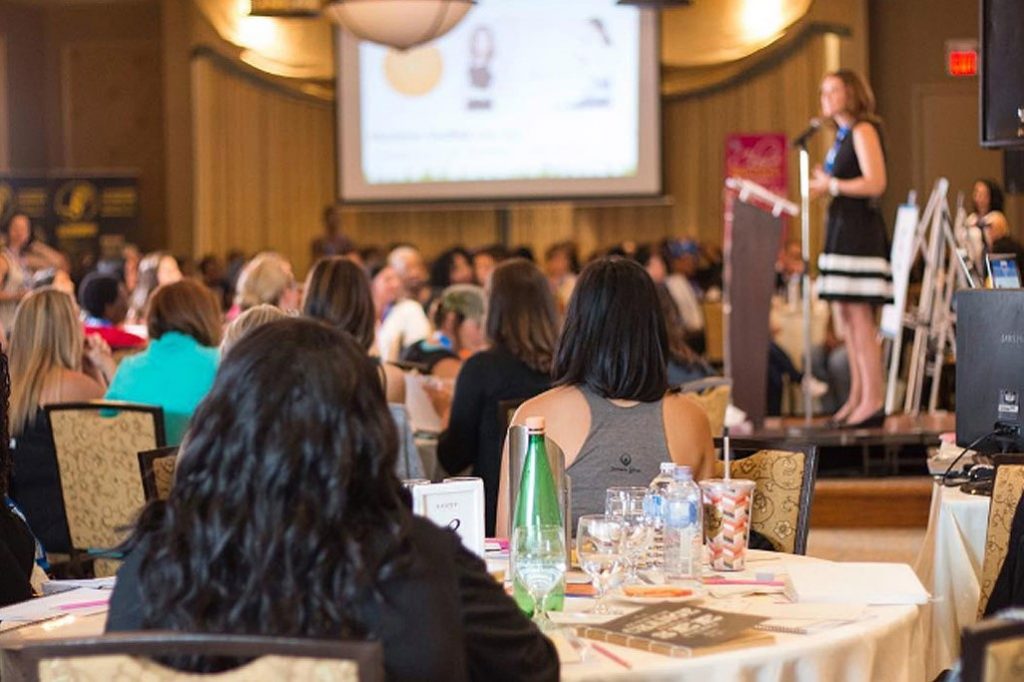
Pay special attention to the existing decor inside the venue. What style is the architecture and what does the building’s interior convey? If you’re hosting a fancy gala there is a need to outsource some other furniture for your event.
7. Licenses
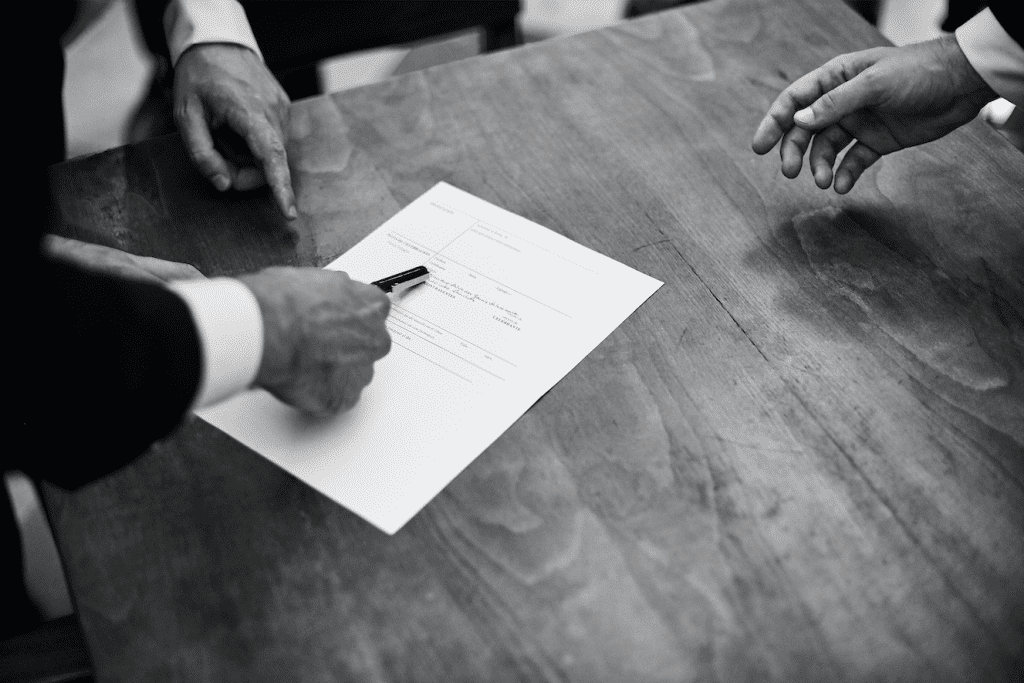
Some venues won’t do business with you if you don’t have the proper lisences or insures. Make sure you have proof of your SOP or event insurance when you’re operation. This is to cover your end and the venues end for hosting events.
8. Accessibility
Accessibility refers to how every kind of person including people with dissability and special needs can acces the building.
If there are children you need to come up with a way to accomodate non drinkers and designated areas.

9. Acoustics
Acoustics are especially important if you have a special guest speaker. If the main objective of your event is to have them listen to a speaker then all the equipment and sound must be crystal clear.

10. Cost and Flexibility on Event Date
Being flexible on the event date can be a great way to negotiate with venues. They may have open dates on their calendar that they want to fill. By providing 2-3 date options, you are more likely to get discounted pricing.
INNOV8 Toronto has every important amenity on this list. From valet service, catering, wine service to a fully customizable space. INNOV8 Toronto is yours to discover when it comes to product launches, educational seminars and speaking events.